 Georgian Baked Goods
Georgian food, explained
Qada, Medovik and Spartak: the sweets on a Georgian table
Qada
Qada is baked across Georgia, and a close relative, gata, is beloved in neighbouring Armenia. The idea is simple: a tender yeasted or butter-rich dough rolled around a filling of flour, butter and sugar that bakes into a sweet, sandy crumb. It is the pastry you buy for the road and the one served with tea when guests drop by.
Medovik: the honey cake
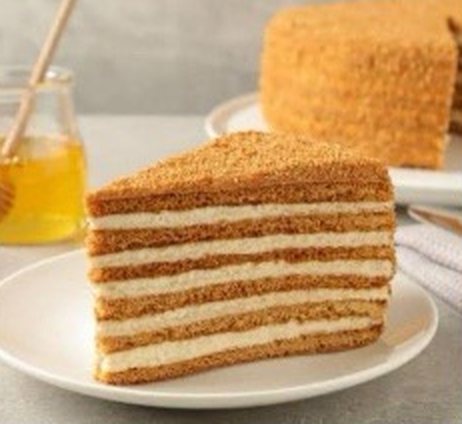
Medovik (from myod, honey) is made from thin layers of honey-sweetened sponge, stacked with sweet cream and left to rest until the layers turn soft and cake-like. A popular story places its invention in the early 1800s, in the kitchen of the Russian empress Elizabeth Alexeievna; whether or not that is true, Medovik became one of the best-loved cakes from the Baltic to the Caucasus.
Spartak: the chocolate one
Spartak follows the Medovik method with cocoa added to the honey layers, giving a darker, chocolate-honey cake with smooth cream between each sheet. It is a Soviet-era favourite, and sources differ on exactly how it got its name.
How to serve them
Honey cakes are best at cool room temperature: take them out of the fridge 15 to 20 minutes before serving. In Georgia they come with black tea, and they finish a supra (a Georgian feast) as well as they finish a weekday lunch.
Common questions
Is Medovik Georgian?
Medovik comes from the Russian imperial and Soviet baking tradition, but it is a fixture in Georgian homes and bakeries.
What is qada made of?
A soft, buttery dough wrapped around a sweet filling of flour, butter and sugar.
What is the difference between Medovik and Spartak?
Spartak adds cocoa to the honey layers, so it is a chocolate-honey cake; Medovik is plain honey.
By the team at Georgian Baked Goods, a Georgian bakery at 10 Plastics Ave. in Etobicoke, Toronto. Updated .